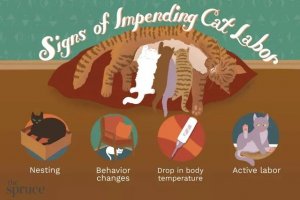
Learn to recognize the physical and behavioral signs of pregnancy in cats, from swollen nipples to nesting behavior, and understand how veterinarians confirm the condition. This guide also covers what to expect during labor and immediate postpartum care for the mother and her kittens.
Feline mastitis is a painful infection of a nursing cat's mammary glands, often indicated by swollen, red teats and lethargy. Early veterinary intervention with antibiotics and supportive care typically leads to full recovery, but untreated cases can become life-threatening. This article outlines the causes, symptoms, diagnosis, and treatment options for cat owners.
Determining a cat's sex can be challenging, especially for kittens or neutered adults. This guide explains the physical differences between male and female cats, including the distance between the anus and urinary opening, and notes that coat color can offer clues. It also covers behavioral differences in unspayed and unneutered cats.
This article provides a detailed overview of feline pregnancy, from fertilization and embryo development to labor and potential complications. It covers essential care tips for pregnant cats, including nutrition, veterinary check-ups, and recognizing signs of trouble. Ideal for cat owners expecting kittens.
Female cats that are not part of a breeding program should be spayed before puberty to avoid the stress of recurring heat cycles. This article explains the estrous cycle, mating behavior, and the importance of early spaying to prevent unplanned litters and health risks.
After a cat gives birth, the first weeks are critical for both mother and kittens. This guide outlines essential steps, from veterinary checkups to recognizing postpartum emergencies, helping new pet owners ensure a safe start.
Cats do not undergo menopause, remaining fertile throughout their lives, with heat cycles recurring every few weeks during breeding season. While a single litter averages four kittens, a cat's lifetime output can reach hundreds, as shown by record-holders like Dusty. Spaying is recommended to prevent health decline and overpopulation.
After spaying or neutering, most cats lose their sex drive, but some may continue to show mating behaviors due to residual hormones, ovarian remnant syndrome, or exposure to hormone creams. Learn when these signs warrant a vet visit and how to manage behaviors like humping and spraying.
When a cat becomes pregnant unexpectedly, owners face a difficult choice between allowing the birth or opting for a spay that ends the pregnancy. This article outlines the medical, ethical, and practical considerations, including the cat's age and health, household readiness, and the broader impact on shelter populations.
A female cat can enter heat every two to three weeks and deliver up to five litters annually, making early spaying critical. This article explains the feline reproductive timeline, from puberty to late-life pregnancies, and the risks of unplanned litters.
When a mother cat refuses to nurse or care for her newborns, owners need to act quickly. This article explains the common causes, the importance of veterinary guidance, and the steps for bottle-feeding and monitoring kittens to ensure their survival and health.
A pregnant cat, or queen, typically births her kittens without help, but owners should recognize warning signs and prepare supplies. This article outlines the stages of labor, how to assist if needed, and when to call a veterinarian for complications.
This article provides essential guidance for cat owners facing an unplanned pregnancy, covering veterinary checks, nutrition, birthing preparation, and postpartum care. It emphasizes the importance of spaying and responsible breeding to address cat overpopulation.
Cat spay and neuter costs in the U.S. range from $150 to $300 or more, depending on location and clinic services. This article breaks down the price factors, the medical and behavioral benefits of sterilization, and why shelters often provide low-cost options.
Female cats can enter heat as soon as a week after giving birth, making rapid repeat pregnancies possible. This article explains the timeline, the health risks of back-to-back litters, and why spaying after weaning is critical for both the mother and the broader pet overpopulation crisis.
Animal shelters face a difficult ethical and practical decision when a rescued cat arrives pregnant: whether to spay her and end the pregnancy or allow the kittens to be born. This choice weighs resource limits and overpopulation against the emotional value of newborn life, with protocols varying widely across organizations.
Calico cats are known for their tri-colored coats, but the genetics behind their coloring explain why nearly all are female. This article explores the science of calico cats, the breeds that can have this pattern, and the rare genetic anomalies that produce male calicos.
Though often associated with males, female cats may also spray urine to communicate stress or mark territory. Understanding the triggers—from environmental changes to medical issues—can help owners address the behavior. Spaying, odor neutralization, and reducing stressors are among the recommended steps.
Female cats in heat show distinct behaviors but rarely bleed. This article explains the estrous cycle, signs of heat, why bleeding warrants a vet visit, and practical care strategies, including spaying and indoor supervision.
Female cats enter heat cycles from around six months of age, with signs ranging from increased vocalization to spraying. Owners can manage these periods by keeping cats indoors and considering spaying, which also prevents health issues.