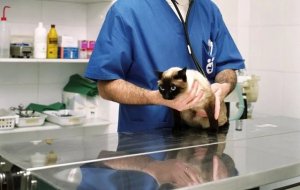
Once discouraged by myths, early spaying and neutering of kittens is now supported by decades of research and veterinary endorsements. The procedure, performed at 6-12 weeks, reduces shelter overpopulation and offers medical benefits like quicker recovery. Major veterinary associations and shelters now advocate for neutering before adoption.
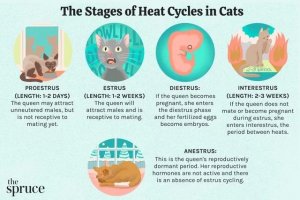
Female cats typically experience heat lasting four to seven days, but cycles can vary from two days to three weeks. Understanding the stages of estrus and the risks of unspayed cats can help owners make informed decisions about spaying and care.
A lump near a cat's spay incision can be a normal part of healing or a sign of infection. This article explains the possible causes, warning signs, and at-home care steps, emphasizing when to contact a veterinarian.
Spaying a female cat is a common yet significant surgery with lifelong health implications. This article outlines the benefits, the surgical process, what to expect during recovery, and potential concerns, helping owners make informed decisions.
Some spayed cats continue to display heat behaviors due to residual ovarian tissue, accidental hormone exposure, or even adrenal tumors. Recognizing these signs and seeking veterinary evaluation is crucial to prevent health risks like mammary cancer and stump pyometra. This article explains the causes, diagnostic steps, and treatment options.