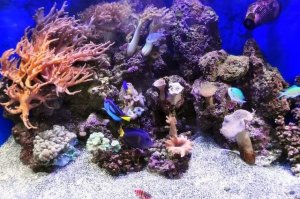
This article offers a practical overview of common food options for saltwater aquarium pets, from protein-rich brine shrimp to herbivorous seaweed. It explains the nutritional benefits of each food type and how they fit into a balanced marine diet, helping aquarists make informed choices.
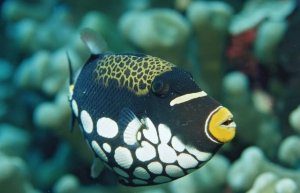
Keeping aggressive marine species like clown triggerfish and blue line groupers requires careful planning. This article outlines the space, diet, and compatibility needs of seven assertive saltwater fish, helping aquarists avoid common conflicts.
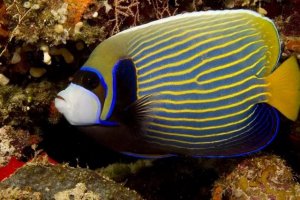
The Emperor Angelfish, a striking Indo-Pacific species, demands large tanks and expert care. This guide covers its natural history, tank requirements, diet, and compatibility, helping aquarists decide if this majestic fish is right for their setup.
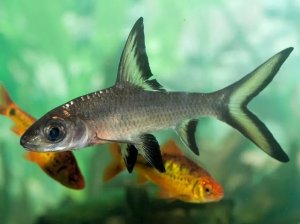
Bala sharks, often sold as small juveniles, can grow over a foot long and require a 125-gallon tank as adults. Native to Southeast Asia, they are now rare in the wild and listed as threatened. This guide covers their needs, compatibility, and why prospective owners must plan for their size.
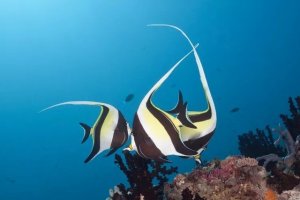
Moorish idols, with their striking stripes and trailing fin, are a rare sight in home aquariums because most die within a week of purchase. Their picky eating habits and sensitivity to water quality make them a challenge even for experienced aquarists. This article outlines what to look for before buying and how to improve their odds of survival.
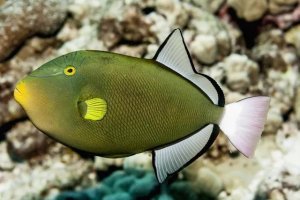
The Pinktail Triggerfish stands out among its often-aggressive relatives as a docile, personable option for novice marine aquarists. Native to Indo-Pacific reefs, this species thrives in spacious tanks with plenty of hiding spots and a varied meaty diet, though it requires careful tankmate selection to avoid predation on smaller inhabitants.
The swallowtail angelfish, a member of the Genicanthus genus, is a reef-safe option for experienced aquarists. It requires a large tank of at least 125 gallons, a varied diet, and careful tankmate selection. This article details its unique characteristics, habitat needs, and breeding behavior.
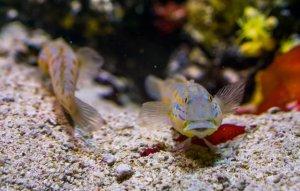
A look at several goby species prized for their sand-sifting behavior, which helps keep reef tank substrate oxygenated. The article details the traits, diet, and territorial tendencies of each goby, offering guidance for aquarists considering adding them to a marine aquarium.
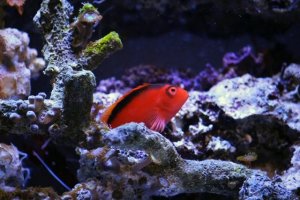
The flame hawkfish, a vibrant red Pacific species, is a popular yet predatory addition to reef tanks. This article explores its natural habitat, dietary needs, and compatibility with other tank inhabitants, offering practical guidance for aquarists.
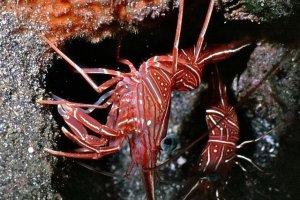
Camelback shrimp, known for their striking hump and vivid colors, are popular in home aquariums, but they pose a significant threat to reef tanks by consuming corals and polyps. This article covers their natural habitat, dietary needs, tankmate compatibility, and breeding challenges, helping aquarists decide if they are suitable for their setup.
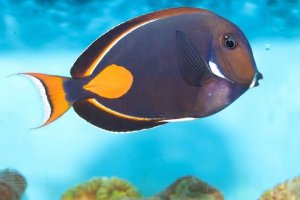
The Achilles Tang, a striking surgeonfish from the Pacific, is known for its beauty and demanding care requirements. This article explores why it is best suited for experienced aquarists, covering its natural habitat, dietary needs, and the challenges of keeping it healthy in captivity.
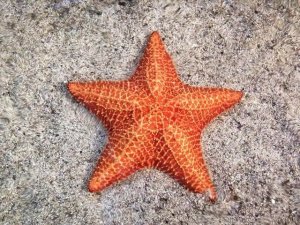
Starfish may look harmless in a home saltwater tank, but many species are voracious predators that can devastate corals, clams, and other invertebrates. Before adding one, aquarists must research species-specific needs, tank temperature compatibility, and water quality requirements. This article outlines the key risks and selection tips to avoid costly mistakes.
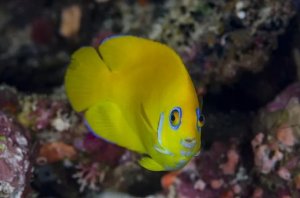
This article provides a comprehensive overview of keeping lemonpeel angelfish in home aquariums, covering their natural habitat, dietary needs, tank requirements, and breeding challenges. It highlights the species' territorial behavior and its potential impact on reef invertebrates, offering practical advice for both novice and experienced marine aquarists.
The chevron tang, a Hawaiian bristletooth species, captivates aquarists with its vivid juvenile colors that fade to dark brown as it matures. This article covers its natural range, tank requirements, diet, and breeding habits, offering practical guidance for hobbyists considering this active algae-eating fish.
This guide highlights 28 saltwater fish species known for their hardiness and adaptability, making them ideal for novice aquarists. From clownfish and gobies to tangs and wrasses, it covers key traits, feeding habits, and tank requirements to help newcomers make informed choices.
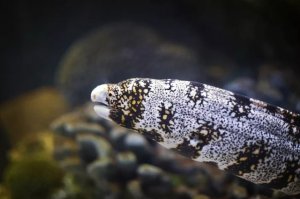
Many aquarium owners believe freshwater moray eels exist, but experts clarify that true moray eels are saltwater species. Mislabeling in pet stores often leads to confusion, and proper identification is crucial for fish health. This article explains the reality and offers guidance for hobbyists.
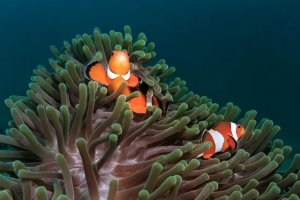
Selecting the correct anemone species is vital for a clownfish's health and aquarium success. This guide details which anemones naturally host each clownfish variety, from the common Ocellaris to the Maroon Clownfish, and notes which species may adapt in captivity. Understanding these pairings helps aquarists create a thriving marine environment.
This guide examines common aquarium shrimp species, highlighting their cleaning benefits and potential risks to reef tanks. It covers popular choices like cleaner and peppermint shrimp, and warns about species that may harm corals or fish.
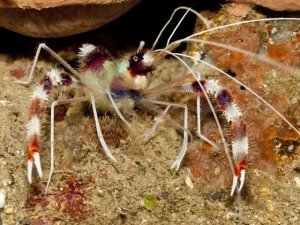
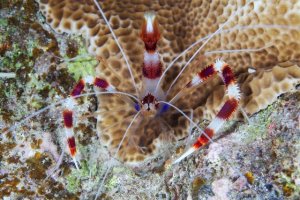
Coral banded shrimp, despite their name, are decapod crustaceans that add vivid color and easy care to home aquariums. This article details their species, size, distribution, behavior, diet, and aquarium suitability, offering practical advice for hobbyists.
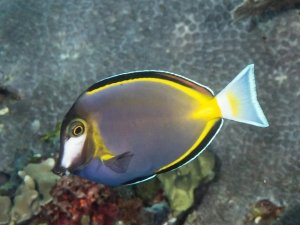
The Powder Brown Tang, a striking but delicate surgeonfish, demands a spacious, stable aquarium and careful attention to diet and water quality. This guide covers its identification, tank requirements, feeding, and the challenges of keeping this Indo-Pacific species healthy in captivity.