Moorish idols, with their striking stripes and trailing fin, are a rare sight in home aquariums because most die within a week of purchase. Their picky eating habits and sensitivity to water quality make them a challenge even for experienced aquarists. This article outlines what to look for before buying and how to improve their odds of survival.
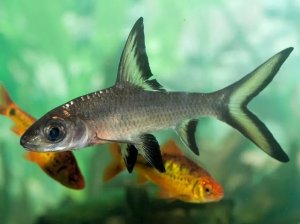
Bala sharks, often sold as small juveniles, can grow over a foot long and require a 125-gallon tank as adults. Native to Southeast Asia, they are now rare in the wild and listed as threatened. This guide covers their needs, compatibility, and why prospective owners must plan for their size.
The Emperor Angelfish, a striking Indo-Pacific species, demands large tanks and expert care. This guide covers its natural history, tank requirements, diet, and compatibility, helping aquarists decide if this majestic fish is right for their setup.
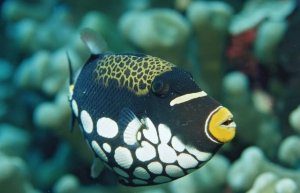
Keeping aggressive marine species like clown triggerfish and blue line groupers requires careful planning. This article outlines the space, diet, and compatibility needs of seven assertive saltwater fish, helping aquarists avoid common conflicts.
Feline mastitis is a painful infection of a nursing cat's mammary glands, often indicated by swollen, red teats and lethargy. Early veterinary intervention with antibiotics and supportive care typically leads to full recovery, but untreated cases can become life-threatening. This article outlines the causes, symptoms, diagnosis, and treatment options for cat owners.
Though often associated with males, female cats may also spray urine to communicate stress or mark territory. Understanding the triggers—from environmental changes to medical issues—can help owners address the behavior. Spaying, odor neutralization, and reducing stressors are among the recommended steps.
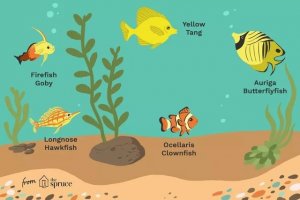
This guide highlights 28 saltwater fish species known for their hardiness and adaptability, making them ideal for novice aquarists. From clownfish and gobies to tangs and wrasses, it covers key traits, feeding habits, and tank requirements to help newcomers make informed choices.
Some spayed cats continue to display heat behaviors due to residual ovarian tissue, accidental hormone exposure, or even adrenal tumors. Recognizing these signs and seeking veterinary evaluation is crucial to prevent health risks like mammary cancer and stump pyometra. This article explains the causes, diagnostic steps, and treatment options.
Spaying a female cat is a common yet significant surgery with lifelong health implications. This article outlines the benefits, the surgical process, what to expect during recovery, and potential concerns, helping owners make informed decisions.
A lump near a cat's spay incision can be a normal part of healing or a sign of infection. This article explains the possible causes, warning signs, and at-home care steps, emphasizing when to contact a veterinarian.
This article offers a practical overview of common food options for saltwater aquarium pets, from protein-rich brine shrimp to herbivorous seaweed. It explains the nutritional benefits of each food type and how they fit into a balanced marine diet, helping aquarists make informed choices.
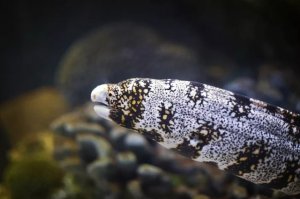
Many aquarium owners believe freshwater moray eels exist, but experts clarify that true moray eels are saltwater species. Mislabeling in pet stores often leads to confusion, and proper identification is crucial for fish health. This article explains the reality and offers guidance for hobbyists.
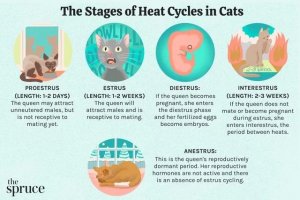
Female cats typically experience heat lasting four to seven days, but cycles can vary from two days to three weeks. Understanding the stages of estrus and the risks of unspayed cats can help owners make informed decisions about spaying and care.
Once discouraged by myths, early spaying and neutering of kittens is now supported by decades of research and veterinary endorsements. The procedure, performed at 6-12 weeks, reduces shelter overpopulation and offers medical benefits like quicker recovery. Major veterinary associations and shelters now advocate for neutering before adoption.
Female cats enter heat cycles from around six months of age, with signs ranging from increased vocalization to spraying. Owners can manage these periods by keeping cats indoors and considering spaying, which also prevents health issues.
Female cats in heat show distinct behaviors but rarely bleed. This article explains the estrous cycle, signs of heat, why bleeding warrants a vet visit, and practical care strategies, including spaying and indoor supervision.
A female cat can enter heat every two to three weeks and deliver up to five litters annually, making early spaying critical. This article explains the feline reproductive timeline, from puberty to late-life pregnancies, and the risks of unplanned litters.
Calico cats are known for their tri-colored coats, but the genetics behind their coloring explain why nearly all are female. This article explores the science of calico cats, the breeds that can have this pattern, and the rare genetic anomalies that produce male calicos.
Female cats can enter heat as soon as a week after giving birth, making rapid repeat pregnancies possible. This article explains the timeline, the health risks of back-to-back litters, and why spaying after weaning is critical for both the mother and the broader pet overpopulation crisis.
When a mother cat refuses to nurse or care for her newborns, owners need to act quickly. This article explains the common causes, the importance of veterinary guidance, and the steps for bottle-feeding and monitoring kittens to ensure their survival and health.